Introduction
In the world of modern healthcare, one term that stands apart is PEG feeding. This technique of dietary assistance has changed how we approach nutritional demands for clients who are incapable to eat food by mouth. In this write-up, we will certainly dive deep right into the world of Percutaneous Endoscopic Gastrostomy (PEG) feeding, discovering its relevance, methods, and effects for both individuals and medical care professionals.
Understanding what PEG feeding entails is critical for caretakers, doctors, and families alike. The ability to provide nutrition efficiently can dramatically improve a client's quality of life. This guide aims to provide comprehensive insights into PEG feeding, underlining why it matters in today's healthcare landscape.
What is PEG Feeding? Comprehending Its Relevance in Modern Healthcare
PEG feeding includes inserting a tube with the abdominal wall surface straight right into the stomach making use of an endoscopic procedure. This approach enables clients that can not eat by mouth-- due to conditions like stroke, neurological disorders, or head and neck cancers-- to obtain crucial nutrients directly.
How Does PEG Feeding Work?
The process begins with an endoscopy executed by a skilled gastroenterologist. A versatile tube with a cam is put through the mouth and down the esophagus to envision the tummy's inside. A tiny laceration is made on the abdominal area where the PEG tube will certainly be placed.
The Treatment Tips:
Preparation: The person needs to quick for numerous hours before the procedure. Sedation: A sedative or regional anesthesia is carried out to lessen discomfort. Endoscopy: The medical professional utilizes an endoscope to locate the ideal site for tube placement. Tube Insertion: A needle penetrates the abdominal wall; an overview wire helps put the PEG tube via this channel. Securing the Tube: As soon as in place, it is protected with a reinforce on both sides to avoid displacement. Post-Procedure Care: Patients are kept track of for any type of difficulties or indicators of infection.Indications for PEG Feeding
PEG feeding isn't almost supplying nutrition; it plays a vital role in numerous professional situations:
- Neurological Conditions: Clients with conditions like ALS or extreme stroke might lose their capacity to ingest safely. Cancer Treatments: People undertaking radiation treatment or radiation therapy may experience ingesting difficulties. Chronic Illnesses: Problems such as mental deterioration or advanced Parkinson's condition often require alternate feeding methods.
Benefits of PEG Feeding
Enhanced Nutritional Support
One of one of the most significant benefits of PEG feeding is its capability to supply essential nutrients directly right into the belly without needing oral consumption. This makes certain that people maintain their caloric and nutrient degrees also when they can not consume normally.
Improved Quality of Life
Patients obtaining appropriate nutrition via PEG tubes frequently report boosted power degrees, strength, and general wellness. Being nourished appropriately can help with healing from illnesses and enhance everyday functioning.
Reduction in Aspiration Risks
For those with ingesting difficulties, there's a high risk of desire pneumonia-- when food goes into the lungs rather than being swallowed effectively. With PEG feeding, this risk lessens considerably because nourishment bypasses oral intake altogether.
Flexibility in Nutritional Planning
Healthcare suppliers can customize enteral formulas based on private nutritional needs and preferences-- ranging from high-protein diet plans to specialized solutions for specific medical conditions.
Challenges Associated with PEG Feeding
Despite its advantages, there are obstacles connected with PEG feeding that need to be resolved:

Potential Complications
Like any medical procedure, placing a PEG tube can bring about problems such as:
- Infection at insertion sites Tube dislodgment Blockages because of inappropriate usage or formula issues
Psychosocial Considerations
Patients might battle mentally with having a tube positioned in their tummies. Offering emotional assistance is important in these scenarios to ensure emotional health together with physical health.

Caregiver Education and learning Needs
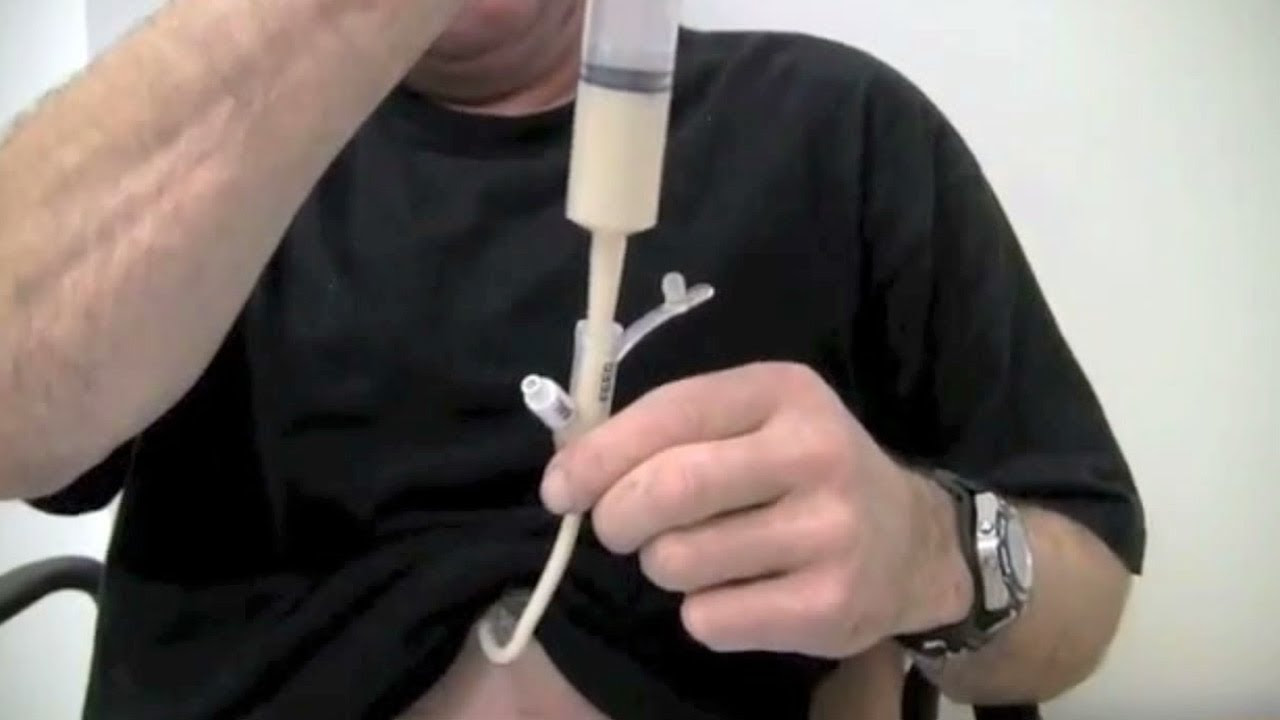
Proper training in handling PEG tubes is crucial for caregivers and family members responsible for providing feedings at home. Programs like NDIS peg feeding training can assist equip them with required skills.
Training Opportunities for Medical care Professionals
Given the complexities surrounding enteral nutrition support, specialized training programs have actually emerged:
Enteral Feeding Support Course
These training courses give thorough expertise about enteral nourishment principles, tube management methods, and repairing typical problems connected with feeding tubes.
PEG Training Courses
Courses developed especially for registered nurses ensure they peg feeding training courses are geared up with useful skills connected to tube insertion, care protocols, and person education pertaining to enteral nourishment support.
Topics Covered May Include:
- Anatomy appropriate to tube placement Techniques for secure insertion Management post-insertion
Importance of Proper Training: NDIS Peg Feeding Training Overview
Professional training plays a necessary duty not just in ensuring safety however also in fostering self-confidence among those involved in person care:
Key Components Covered:
Recognizing dietary demands tailored for each and every person's condition. Practical skills related to managing complications. Client education and learning on preserving health and protecting against infections around insertion sites.By taking part in comprehensive programs like NDIS peg feeding training or enteral feeding support courses, specialists come to be skilled at giving premium treatment while lessening threats related to PEG feedings.
How To Take care of A Client With A PEG Tube? Ideal Practices Explained!
Caring for somebody reliant on a PEG tube requires persistance:
Daily Treatment Directions:
Check insertion websites routinely for signs of infection (redness/swelling). Tidy around insertion sites gently using saline solution. Make certain appropriate flushing of tubes before and after feedings using sterilized water. Display input/output logs diligently to make sure appropriate hydration/nutrition degrees are maintained throughout each day!Following these ideal methods will not only make sure ideal function however likewise aid avoid potential problems arising from incorrect care techniques!
Frequently Asked Concerns (FAQs)
Q1: What sorts of formulas can be utilized with secure feedings?
A range of enteral solutions exist tailored toward different dietary needs ranging from lactose-free alternatives appropriate for lactose-intolerant individuals throughout high-protein supplements created specifically attending to malnutrition concerns encountered by persistent health problem sufferers!
Q2: How long does a PEG tube last?
Typically talking; if cared-for adequately within technique guidelines laid out by healthcare professionals-- a well-kept peg-tube might last anywhere in between 6 months up-to 2 years depending upon private circumstances surrounding every one-of-a-kind case!
Q3: Can I provide medication via a peg tube?
Absolutely! Nevertheless; always consult your healthcare provider before doing so since certain medications require certain preparations while others could require dilution prior-to-administration!
Q4: What must I do if my person experiences discomfort?
If experiencing pain/discomfort seek prompt assistance from qualified medical employees-- they're trained effectively identifying major signs and symptoms which could show underlying issues calling for immediate intervention!
Q5: Exist alternatives readily available besides making use of peg-feeding?
Yes! Alternatives include NG-tubes (nasogastric) short-term solutions planned mainly helping momentarily up until conditions improve allowing normal intake bring back thereafter-- yet lasting options recommended continue to be utilizing suitable ways using placing irreversible devices such as those discussed earlier here concentrating mostly dealing with persistent instances needing ongoing nutritional support indefinitely!
Q6: Is normal follow-up called for after putting a Peg-Tube?
Absolutely! Routine follow-ups permit carriers keep track of progression examine efficiency adjust dietary strategies accordingly ensuring lasting success achieving wanted health outcomes eventually profiting clients needing trustworthy continuous support mechanism carried out throughout treatment methods established originally upon positioning ensuring everything stays aligned as necessary moving on sustainably over time!
Conclusion
In summary; recognizing what is fix feeding holds profound relevance within contemporary health care paradigms today-- it offers invaluable insight right into efficient methods facilitating sustenance helping numerous people dealing with difficulties originating from oral consumption constraints positioned due various clinical concerns affecting them routinely!
Through applying proper strategies coupled sufficient caregiver training consisting of appealing sources offered by means of organizations providing structured instructional chances related enteral-nutrition management-- we pave pathways improving lives promoting general wellbeing assuring people get necessary sustenance whenever required most successfully possible maintaining them flourishing longer satisfying lives ahead ultimately leading healthier futures down road ahead full circle back towards equipping individuals reclaim freedom once again reclaim control over their nutritional choices henceforth living enriched fulfilled way of livings moving forward!